
Butterflies and Moths (and Caddisflies) play an important role in the environment as pollinators and indicators of the health of ecosystems.
Butterflies and Moths can be seen throughout the spring and summer months, feeding on the nectar of flowers and basking in the sunshine. As they move from flower to flower in search of nectar, they transfer pollen from one plant to another, fertilising them and allowing them to produce fruit and seeds.
Butterflies and Moths are also an important food source for other animals, such as birds, lizards, and small mammals.
Butterflies versus Moths
Moths and butterflies as cousins in the insect world – they’re both part of the Lepidoptera order, meaning “scale-winged” because of the tiny, overlapping scales on their wings.
The easiest way to tell them apart is often by when they’re active: butterflies are generally diurnal, meaning they fly during the day, while most moths are nocturnal, coming out at night.
You’ll also notice differences in their antennae: butterflies usually have thin, club-shaped antennae with a little knob at the end, while moths often have feathery or thread-like antennae that can be quite elaborate.
When they rest, butterflies typically hold their wings upright over their backs, whereas moths usually spread their wings flat or fold them in a tent-like shape over their bodies.
Finally, butterflies tend to have slender, smooth bodies, while moths often have plumper, hairier bodies, which helps keep them warm during their nighttime adventures.
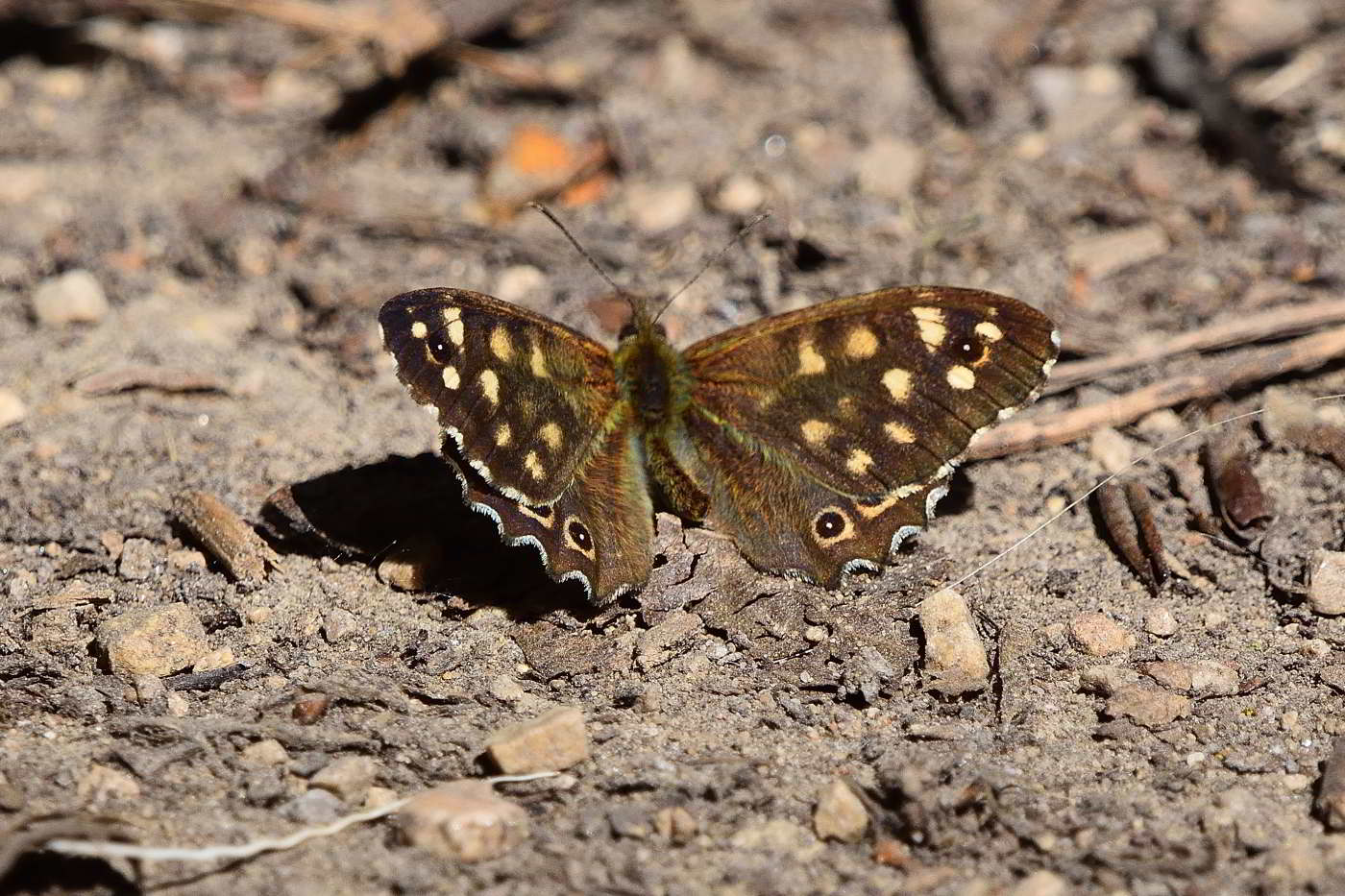
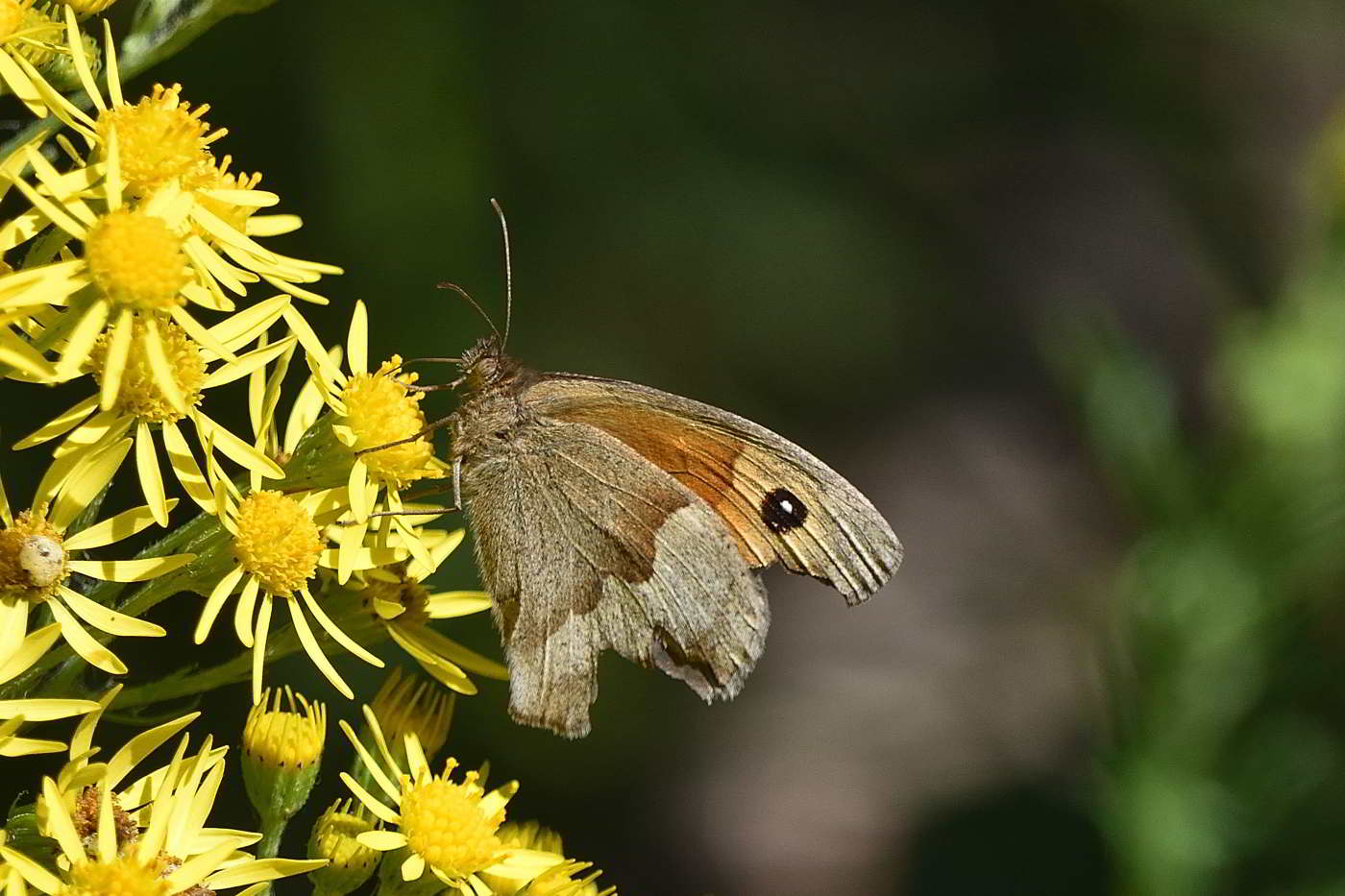
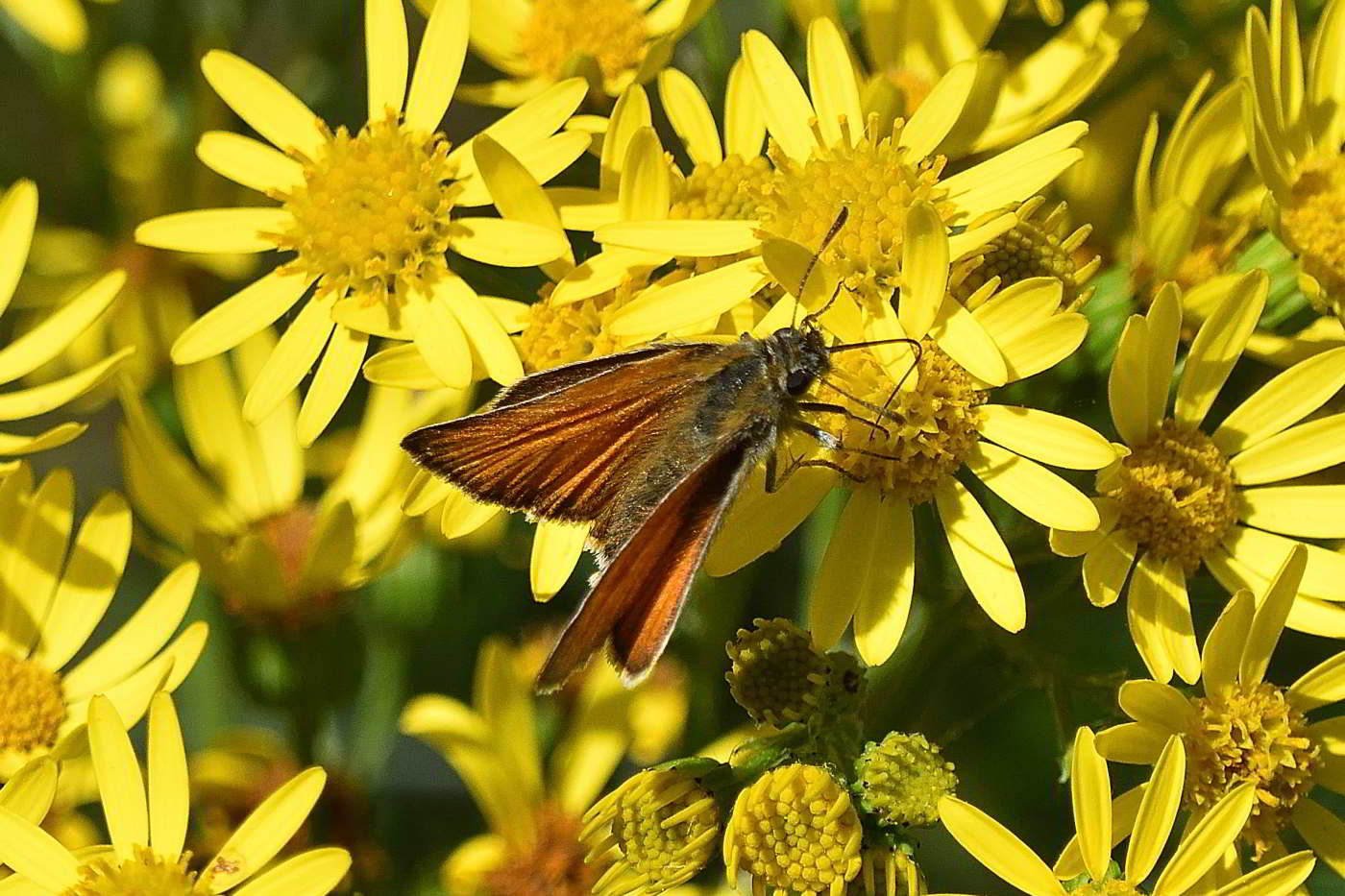
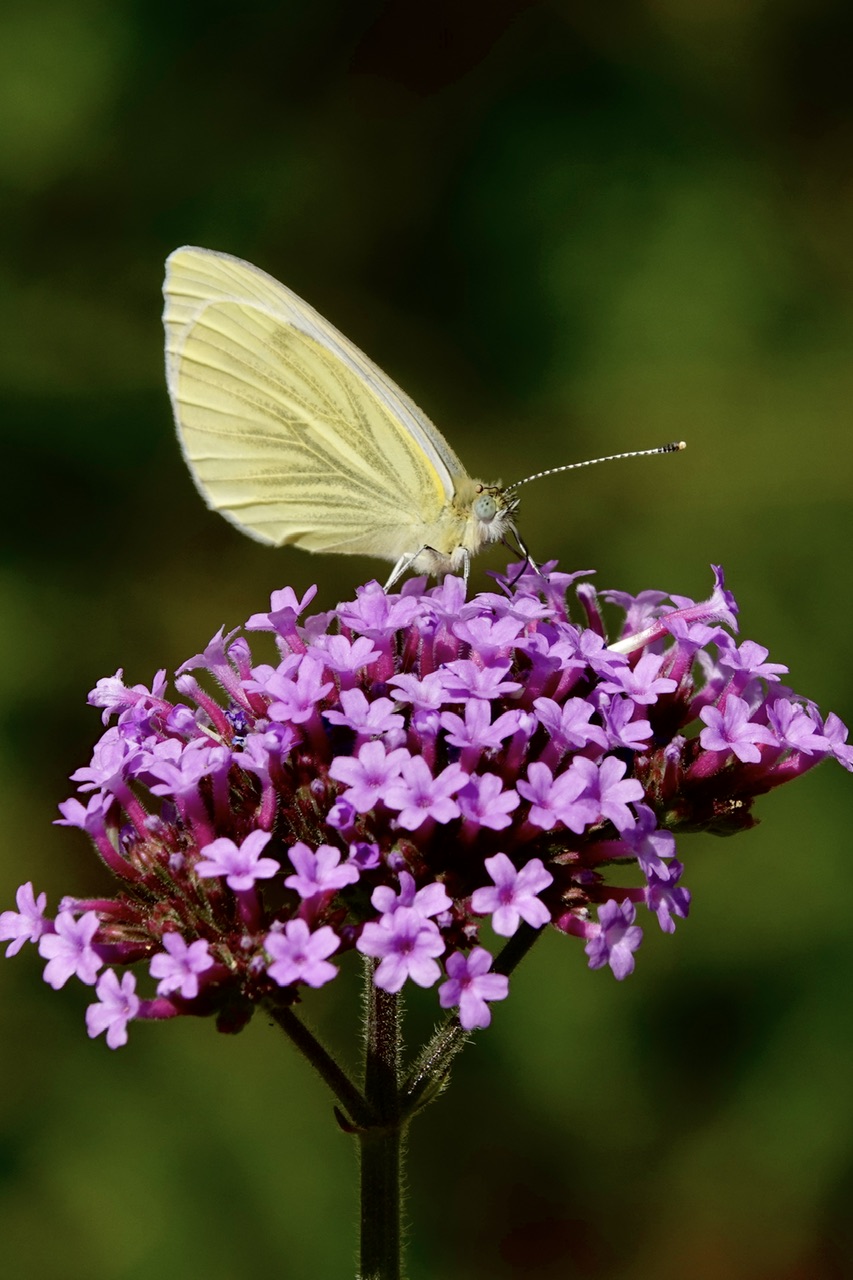
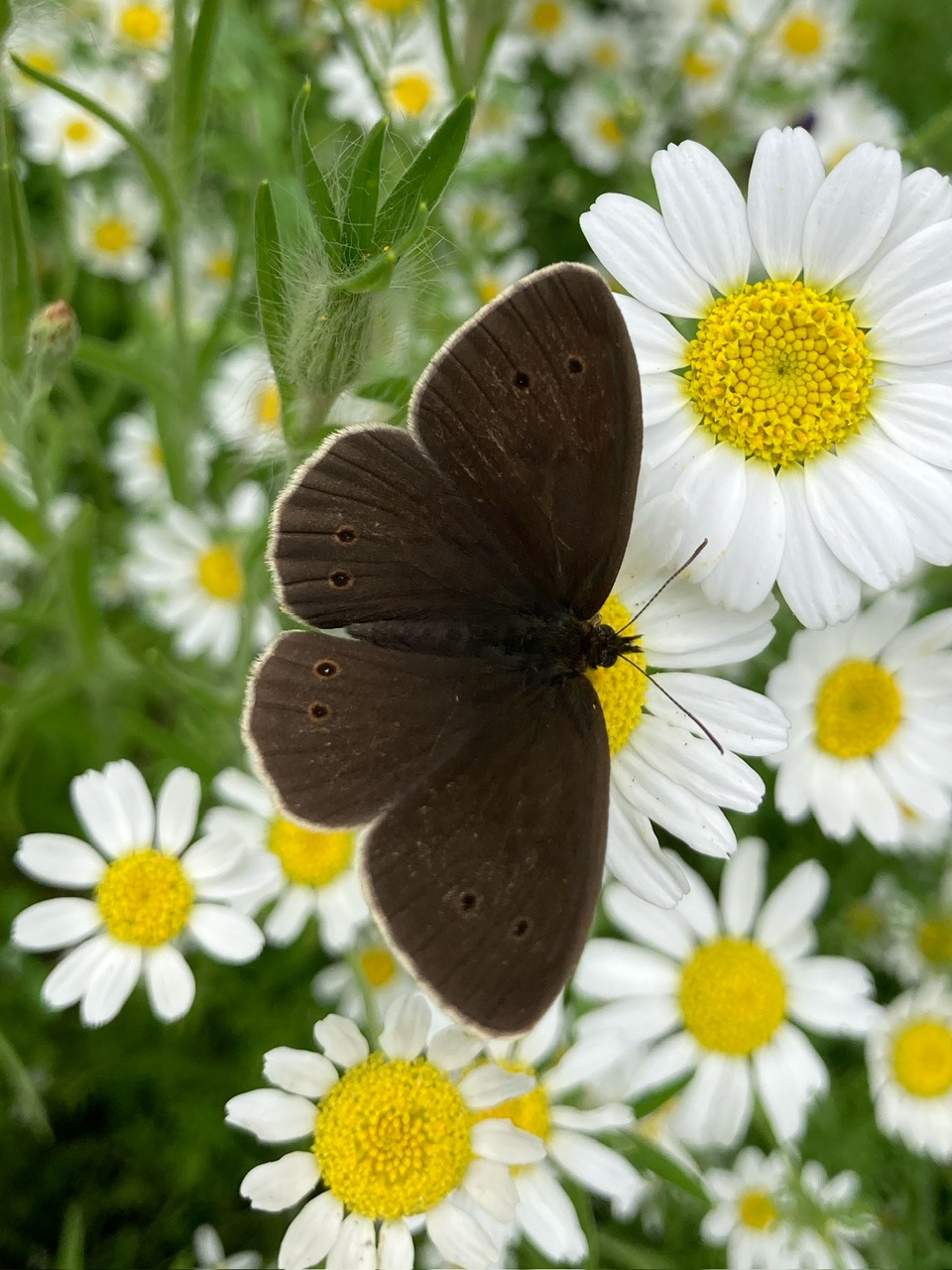
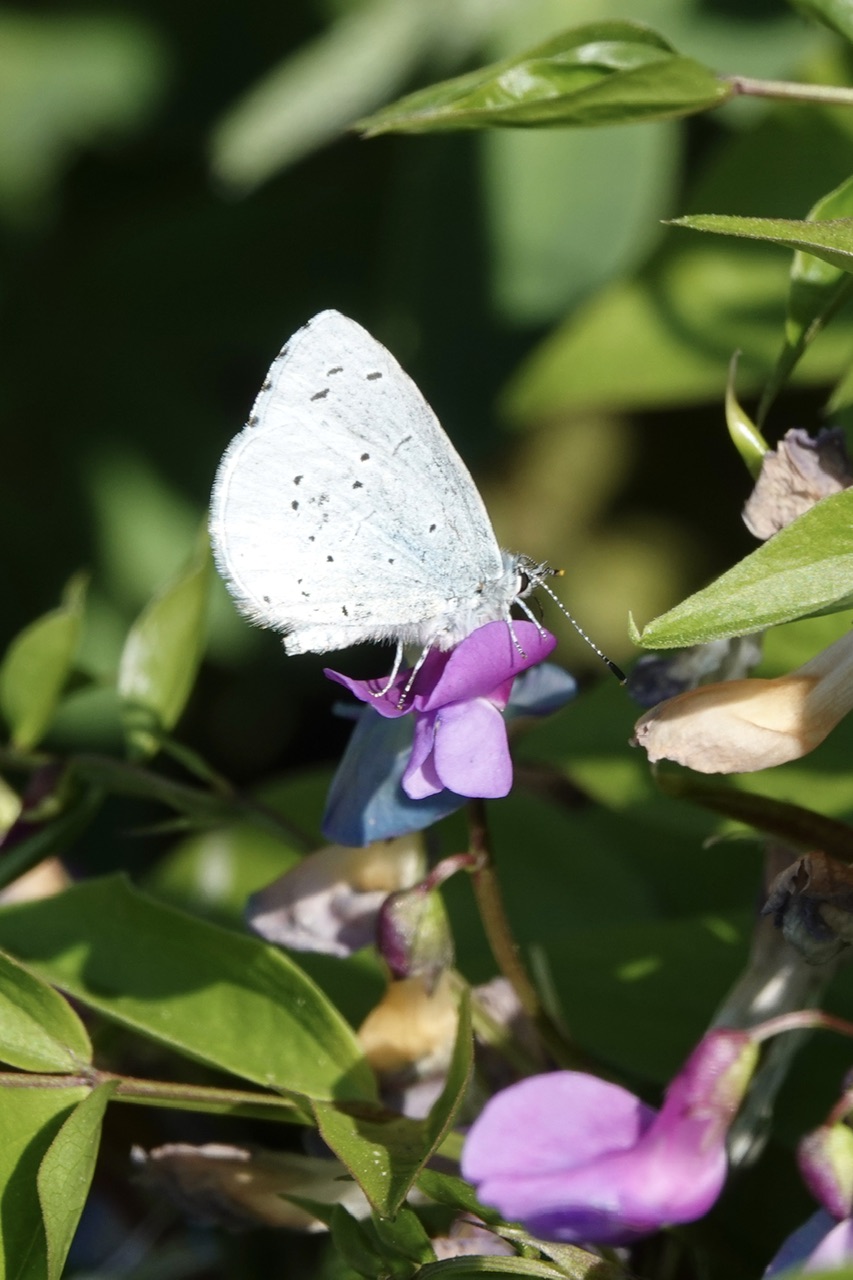
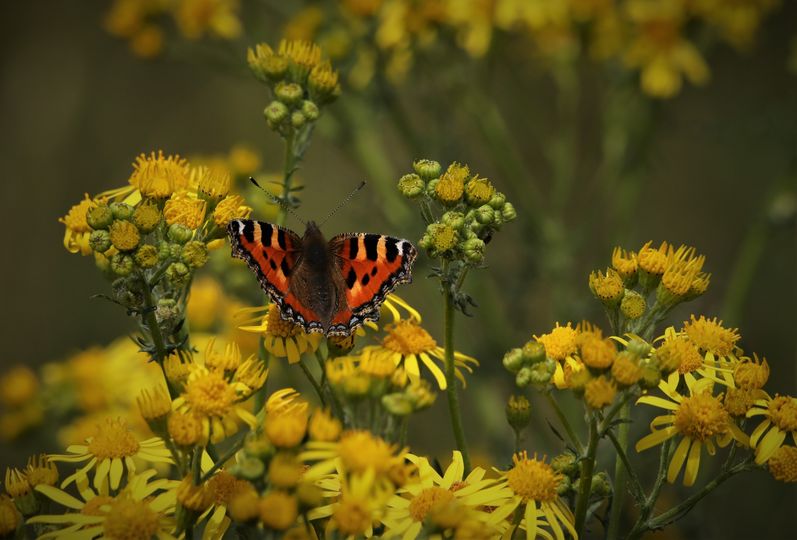
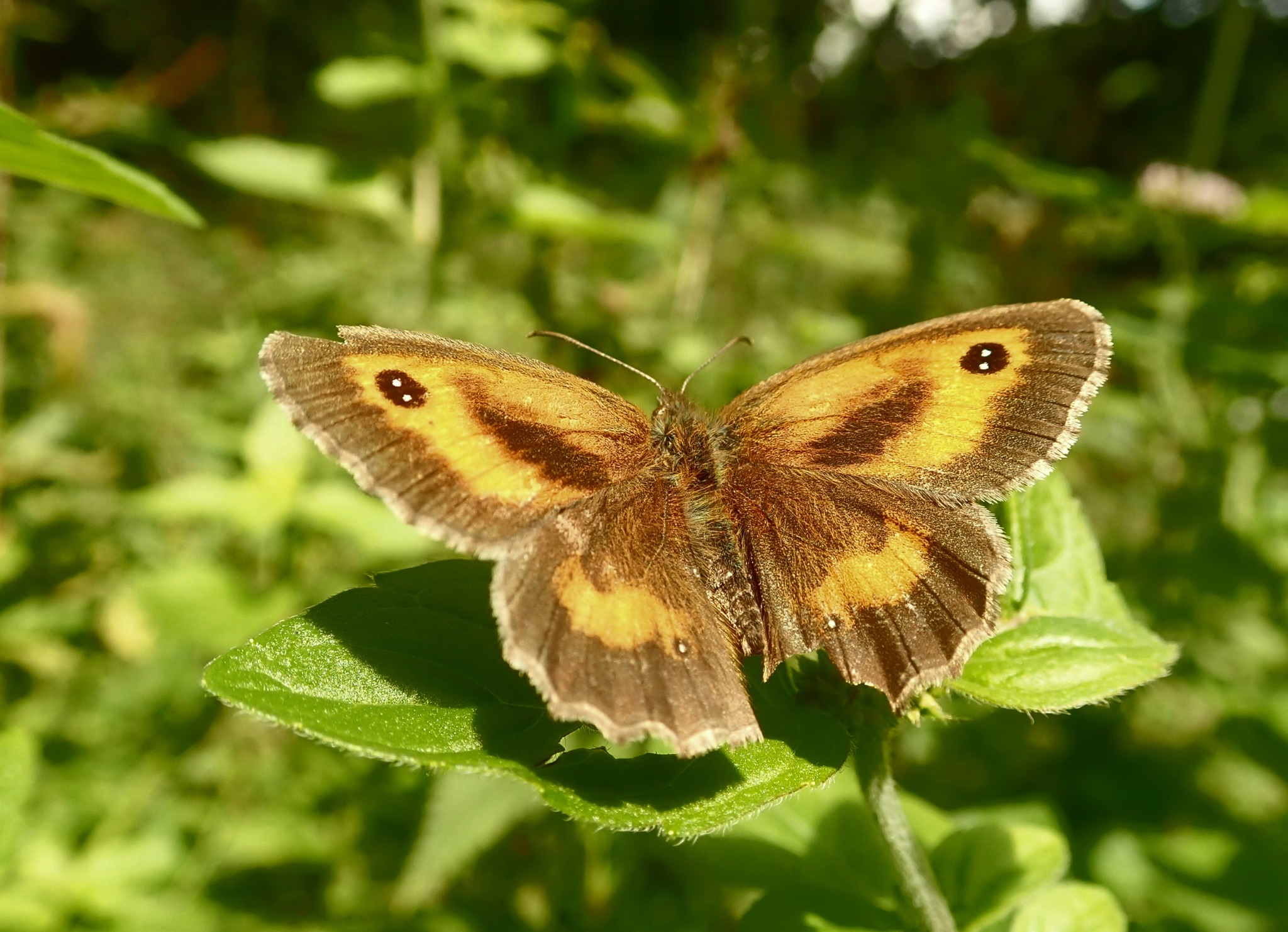
Butterflies





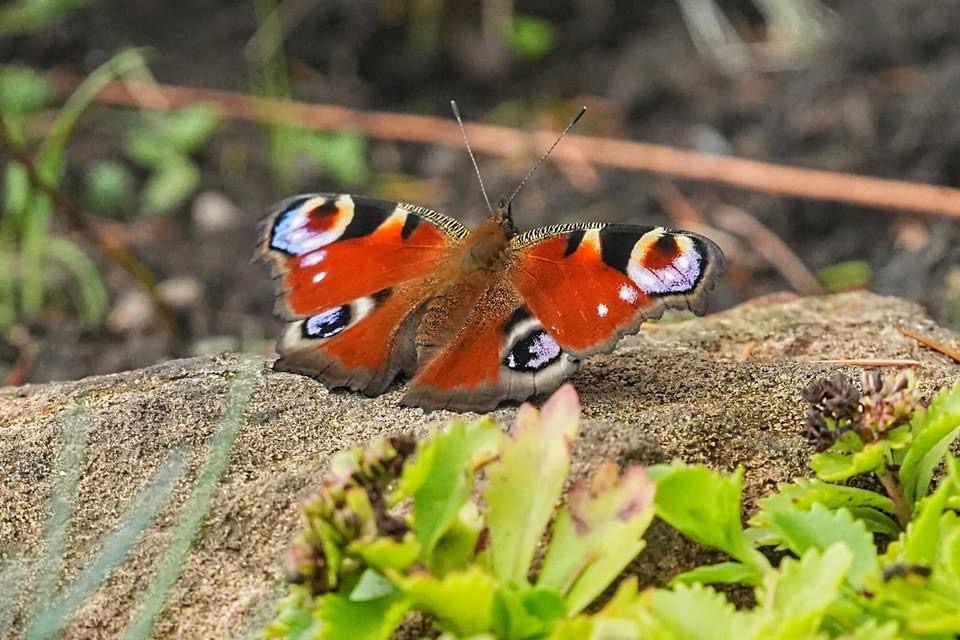
Moths
Information courtesy of Dr Sheila Wright.
Moth recording has been taking place in Wollaton Park for over 35 years. Records are used to facilitate management of the park for insects – in terms of making sure that the correct food and nectar plants are present and maintained, and that habitats are managed appropriately (correct grassland mowing regimes, etc).
In total, 348 species of larger (macro) moths have been recorded in the park over that period – which in terms of numbers places it within the top sites in the country for macro moth diversity. A very high proportion of these – 56 species to date (so almost 1 in 6), are moths of conservation significance both in terms of being both Nottinghamshire rarities and national ones.
One of the reasons why the park has so many moth species is that it contains a wide variety of habitat types, each supporting its own moth community. There are wooded areas containing veteran trees, avenues of old trees containing such species as lime, oak and chestnut, wetlands (including a large lake, water-filled ha-has, and marshy areas), and both acid and neutral grasslands. Even the formal gardens are important for insects such as moths – as they contain a wide variety of nectar plants.


Click for more information about the moths in the park
Information courtesy of Dr Sheila Wright.
Some of the scarce moths associated with each of the major habitat types in the park are given below.
Woodlands and tree-lined avenues
Many of our rarest woodland moths in the park are associated with specific trees on which their larvae feed. They include Barred Hook-tip and Clay Triple-lines, which are both completely dependent upon the presence of Beech, August Thorn – which feeds as a larva only upon Ash, Clouded Magpie – Wych Elm, Poplar Kitten – poplars and Aspen, Scarce Silver-lines – oaks, Dusky-lemon Sallow – birches, and Red-necked Footman – various lichens growing on mature trees. It is because the park contains such a wide variety of trees that so many scarce woodland moths thrive here.
See also Tree-Lined Avenues.
Wetlands
Amongst the rarer British moths recorded in the park’s wetland habitats are the Round-winged Muslin – which feeds as a larva upon lichens, mosses and algae growing in marshy areas, the Crescent – the foodplant of which is Yellow Iris, Small Rufous – the foodplants of which are various rushes, and both Brown-veined Wainscot and Fen Wainscot – which like many wetland moths, both feed as larvae upon Common Reed.
Grasslands
Moths of the neutral areas of grassland include the Golden-rod Pug, which feeds as a larva upon Common Ragwort and Small Yellow Underwing the larval foodplant of which are mouse-ears. The acid grasslands support species such as the Small Elephant Hawk-moth, which feeds as a larva upon Heath Bedstraw.
Ornamental Gardens
As well as being an important source of nectar for adult moths, some of the plants growing in the ornamental gardens are a food source for the larvae of some of our rarer moths – including the Small Emerald – which feeds as a larva upon clematis species growing in the Botanic Garden. The Heath Rustic, also present in the park, is likely to be feeding as a larva upon ornamental heathers growing in the gardens, as there are few or no wild heathers in the park’s grasslands.
Recent Arrivals
In recent years, many moth species have been extending their range northwards in the UK due to climate change. A number of these have colonised Wollaton Park – including the Clifden Nonpareil (once just a rare immigrant to the UK), Toadflax Brocade, Heart and Club, and Tree Lichen Beauty.
Immigrant species
In addition to the resident species present in the park, it is visited by immigrant species throughout the year – although these are more commonly recorded in autumn, when blown in by winds from continental Europe and even as far away as Africa.
A Small Marbled from Africa, which turned up in the park in 1998, remains the only one ever recorded in Nottinghamshire. Other less frequently recorded immigrant moths that have visited Wollaton Park over the years include Delicate, Convolvulus Hawk-moth, Gem, Great Brocade, and both Bordered Straw and Scarce Bordered Straw.
Caterpillars
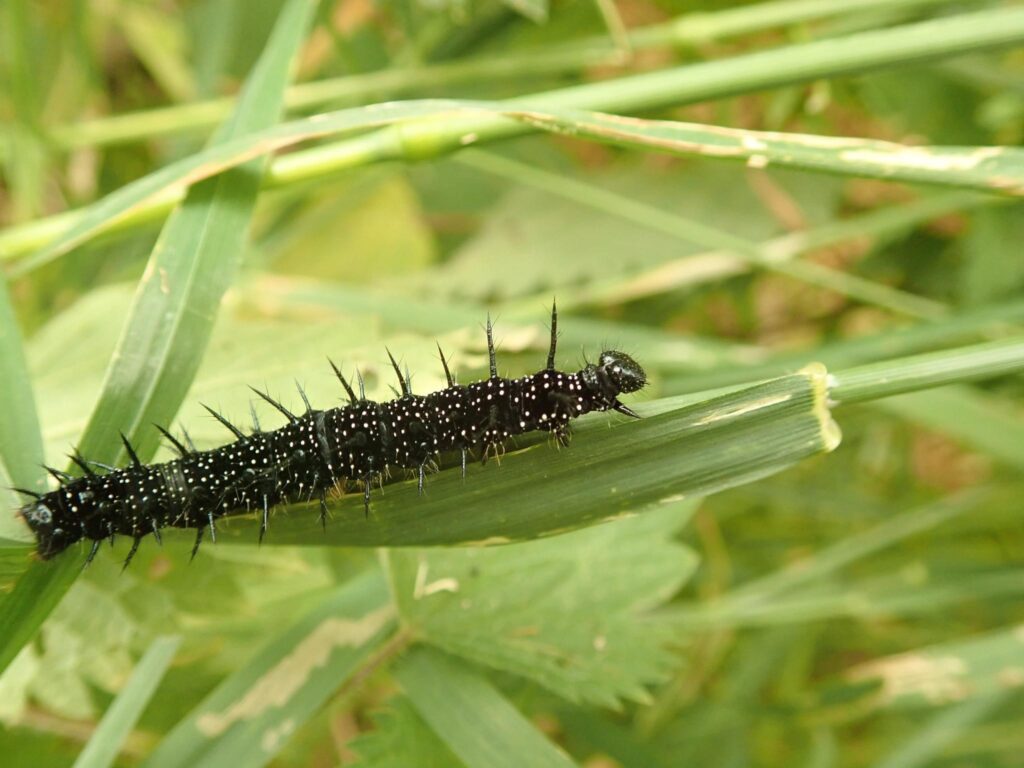
Butterflies and Moths start life as caterpillars.
An egg hatches into a caterpillar, then enters a pupa stage, and finally emerges as an adult butterfly or moth.
Caddisflies
Caddisflies, also known as sedge-flies, are an order of insects with a life cycle that includes aquatic larvae and terrestrial adults. While adults resemble moths, with their wings folded back and covered in fine hairs rather than scales.
Caddisflies are considered an important indicator of good water quality and are a significant food source for fish

Ceraclea senilis
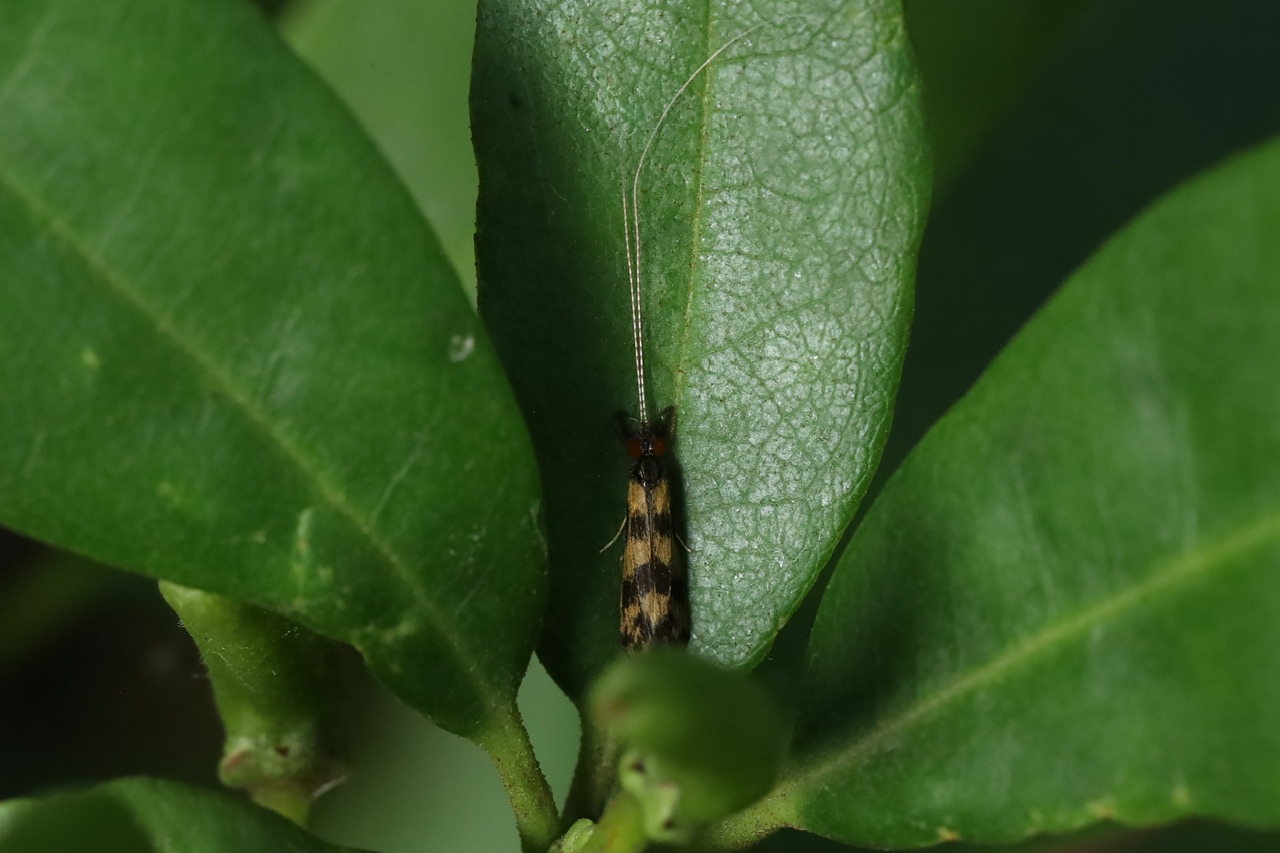
Mystacidel longcornis
Photographs on this web page were taken in Wollaton Park and are reproduced with the original artist’s permission. Copyright © for each picture remains with the original artist, who is duly acknowledged for their contribution.
On this page: Maurice Moore, Unni Williams (Red Admiral), Botanic Garden, Mark Searle (Orange Tips), Colin Robbins (Ringlet, Small Copper), Gary Thrall (Peacock), Nigel Downes (Yellow-legged Clearwing, caddisflies), Sheila Wright (Small Elephant Hawk Moth, Poplar Kitten Moth, Clifden Nonpareil Moth, Small Emerald Moth)