
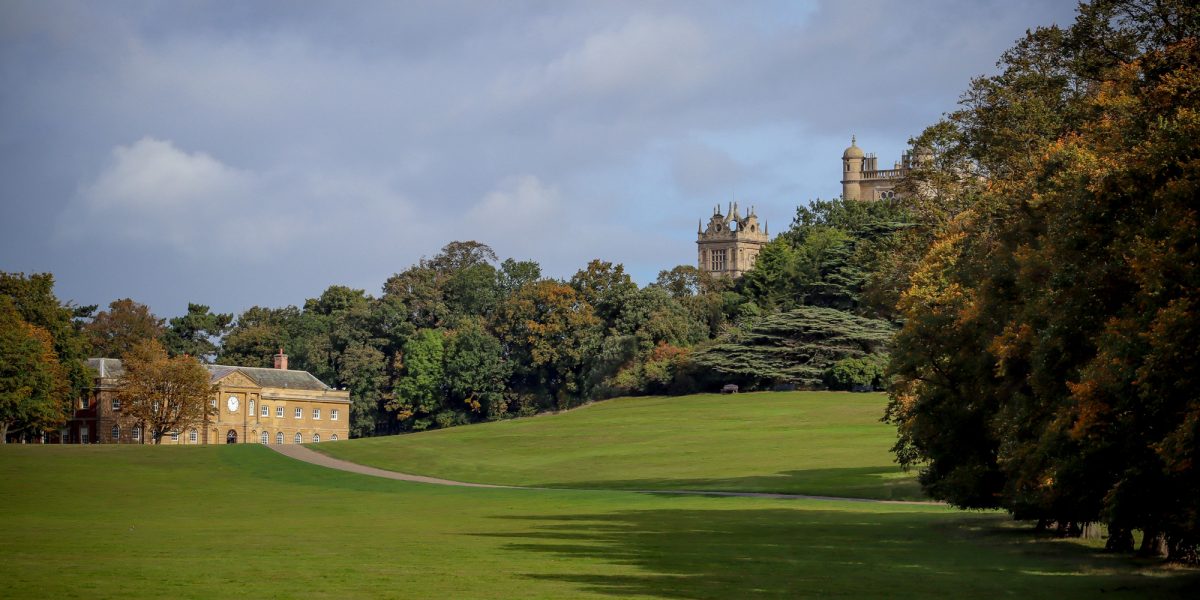
We are a community of like-minded individuals, and we aim to make Wollaton Park a better place for all. We work alongside park staff and other volunteer groups and enjoy the support of local councillors and the park management.
Support Friends of Wollaton Park by choosing to join us, make a donation, or visit our shop.
Make a real difference in Wollaton Park! Discover how you can contribute by joining our dedicated team of volunteers.
Find out about volunteering…
Friends of Wollaton Park organise a wide range of volunteering activities aimed at enhancing and maintaining Wollaton Hall and Deer Park. These activities include:
Gardening and Horticulture:
- Walled Garden Restoration: Volunteers are actively involved in the ongoing project to restore the historic 4-acre walled garden, including general upkeep, development, and conservation.
- Formal Garden Maintenance: Volunteers assist park staff with tasks such as planting, pruning, weeding, edging, and general tidying in the historic formal gardens.
- Sensory Garden: Regular Saturday morning sessions involve gentle gardening to maintain and enhance this tranquil space.
- Tree Nursery: Volunteers help prepare the ground and plant saplings for a new tree nursery within the park.
Conservation and Wildlife:
- Conservation Tasks: Working alongside Park Rangers on various tasks around the park, such as wildlife habitat care, fencing maintenance, pathway clearing, and lake work.
- Litter Picking: Regular monthly sessions to help keep the park clean and safe for visitors and wildlife.
FoWP collaborates with Wollaton Hall & Deer Park and other organisations to provide these diverse opportunities, welcoming individuals of all abilities and interests to contribute to the well-being of Wollaton Park.
Latest News and Blogs…
- Dawn Chorus - FoWP member Saj led a bird walk in the park at 5am to experience the Dawn Chorus.
- Walled Garden Spring Festival - What a weekend at this year’s Walled Garden Spring Festival, where we welcomed over 1,300 visitors through our gates to…
- Wollaton Park Book - Wollaton Park book on sale now. It traces the park’s evolution from medieval farmland and private hunting estate into the…
- Rhododenderon clearance - For our April conservation session, we continued the March work of clearing Rhododendrons. https://friendsofwollatonpark.org.uk/2026/thirteen-volunteers-versus-rhododendron/

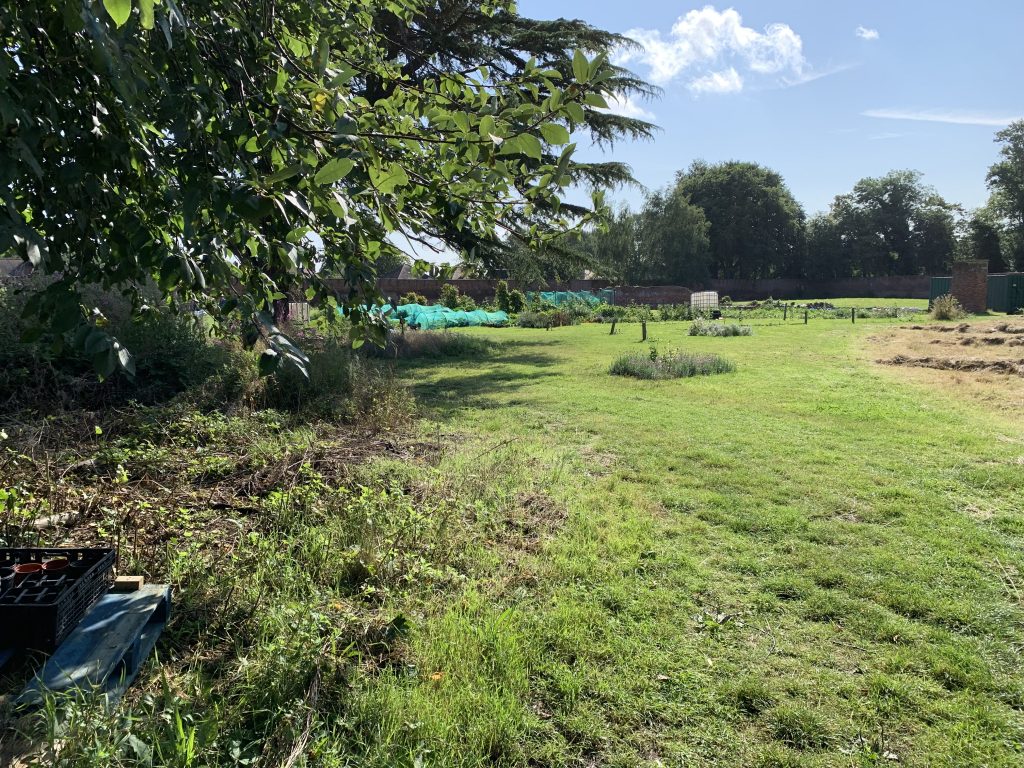
The Walled Garden
The Walled Garden Project is a major part of our work. We have collaborated with the Park Management, staff, and Wollaton Historical and Conservation Society to help to restore and refurbish parts of this area of the park.
Conservation

FoWP organises conservation and other volunteering opportunities in Wollaton, Nottingham throughout the year. All welcome to join us.
Formal Garden
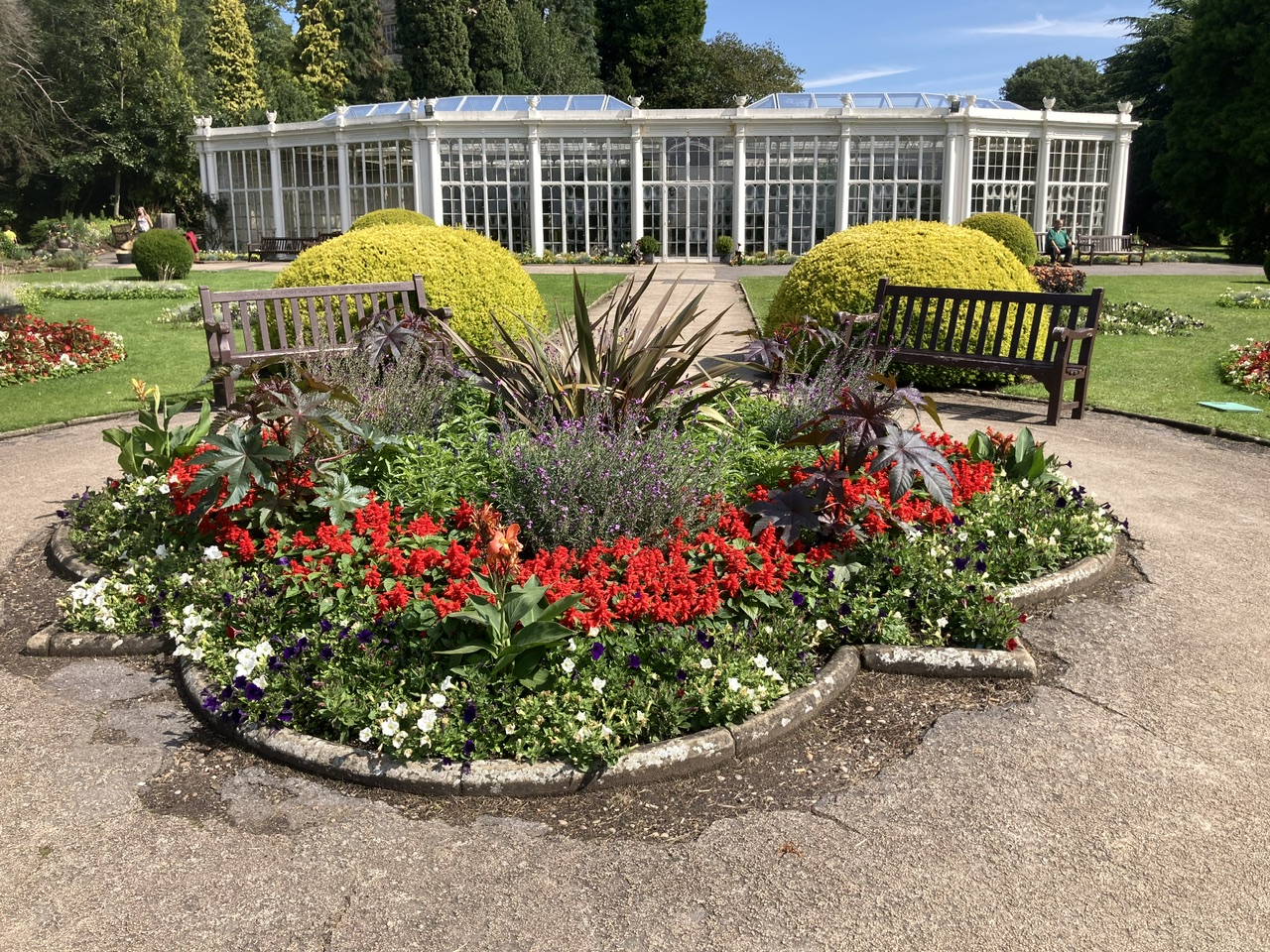
Behind Wollaton Hall is a Formal Garden designed in the 17th-century style and a 200-year-old Camellia House. FoWP volunteers support the Park staff in the upkeep.
Upcoming Tasks / Activities…
- Tuesday 5 May, 10:00: Walled Garden Volunteering
- Wednesday 6 May, 10:00: Formal Garden Volunteering
- Wednesday 6 May, 18:00: FoWP Members Meeting
- Thursday 7 May, 10:00: Walled Garden Volunteering
- Saturday 9 May, 10:00: Sensory Garden Volunteering
- Tuesday 12 May, 10:00: Walled Garden Volunteering
- Wednesday 13 May, 10:00: Formal Garden Volunteering
Wollaton Park
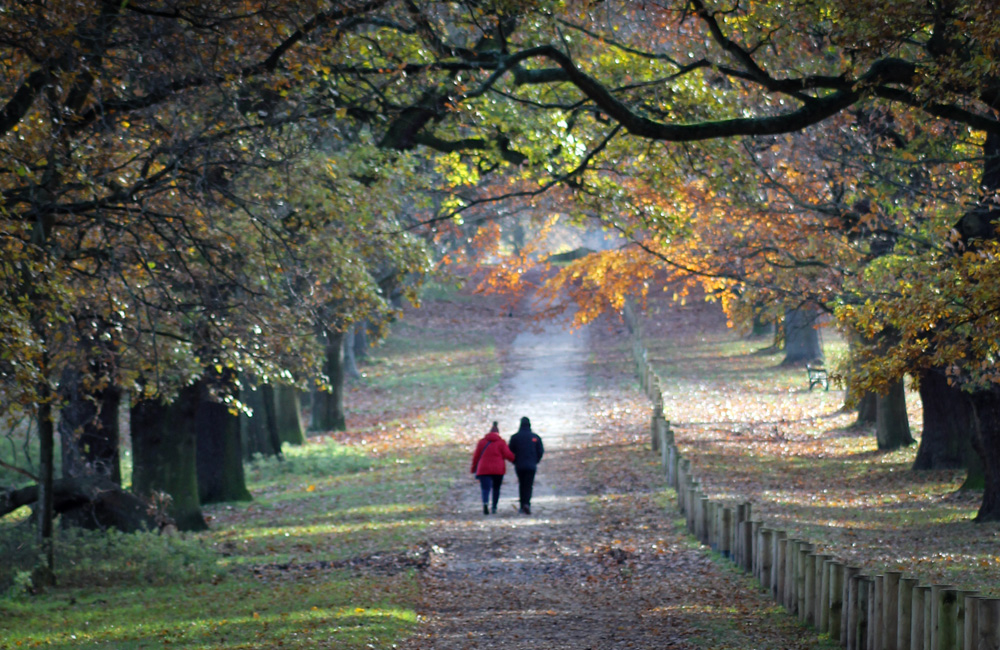
Wollaton Park is a 500-acre deer park in Nottingham. It is home to a variety of habitats, including grassland, wetland, woodland, avenues of mature trees and a lake.
Wollaton Hall
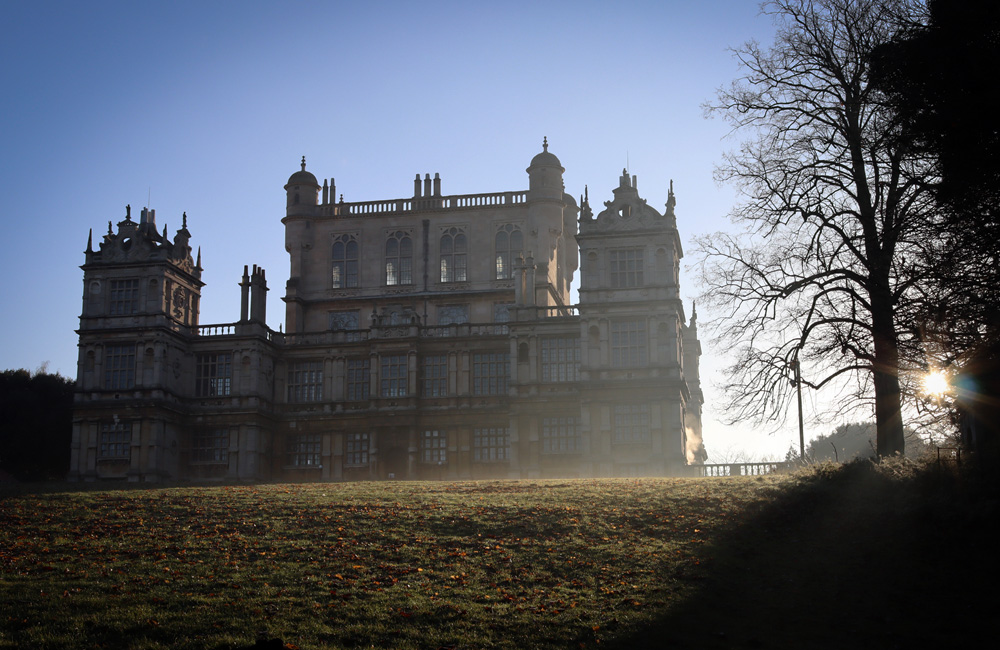
Wollaton Hall is one of the country’s finest Grade I listed Elizabethan buildings and the largest dedicated Natural History Museum in the county.
Wildlife
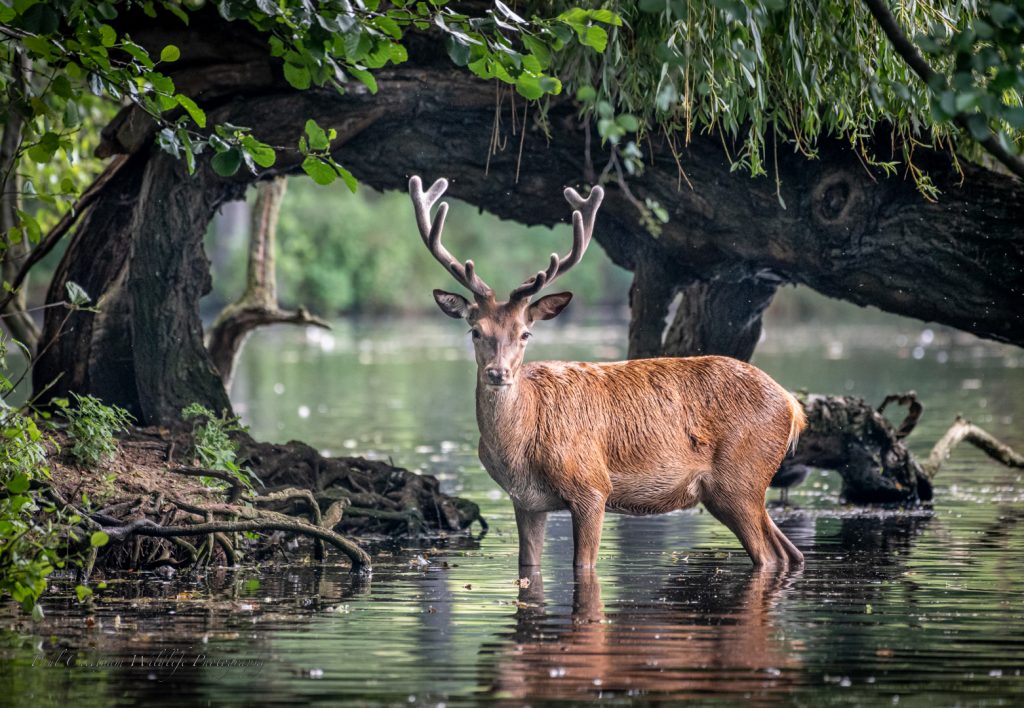
Wollaton Park is home to a wide variety of flora and fauna, including deer, foxes, squirrels, birds, dragonflies, bees and butterflies, as well as fungi. See our wildlife page for more…
Trees & Wildflowers
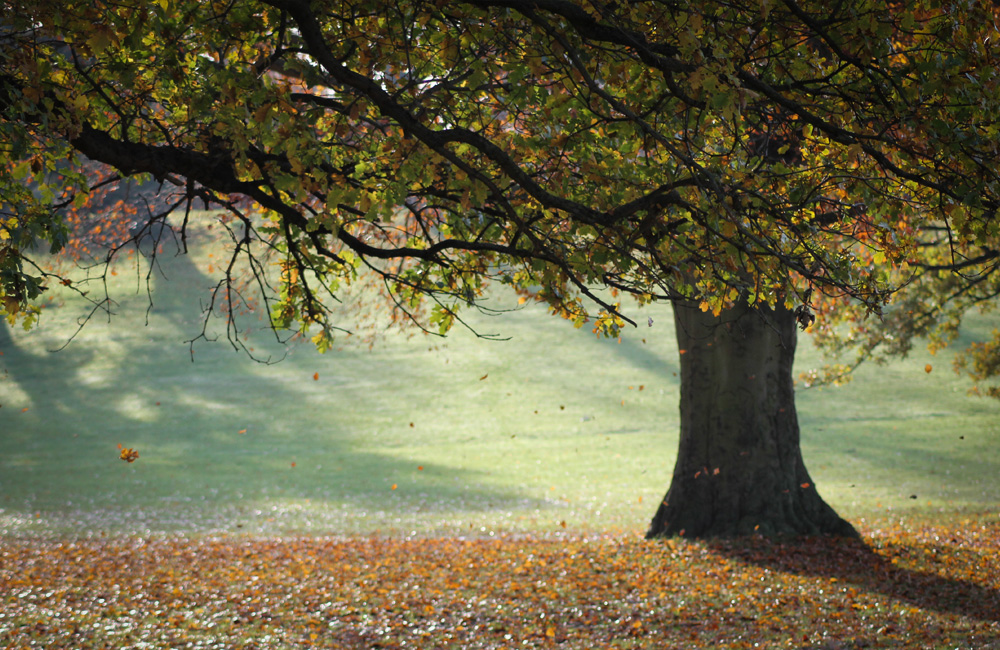
Wollaton Park is home to over 110 species of trees and 100 species of wildflowers. See our information pages for more details, as well as our tree map, leaflets and tree walks.
Wollaton Community
Friends of Wollaton Park are proud to be part of the wider park community, including the Botanic Garden, the Industrial Museum, the Wollaton Historical and Conservation Society, and the Wollaton Hall ‘parkrun’. Find out more about these and other organisations that support activities in the park on our Community page.
History
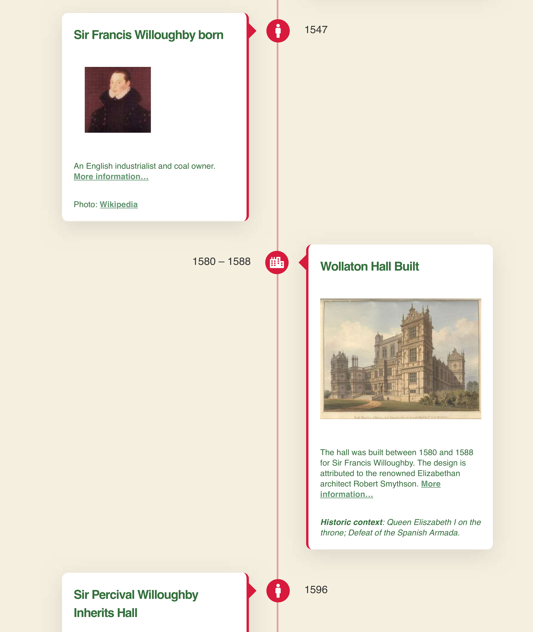
Journey through over 1000 years of history at Wollaton, revealing the pivotal moments that shaped both the magnificent Wollaton Hall and its expansive Park. Trace the story of the Willoughby family’s thirteen generations of ownership of the Hall and discover how the stunning parkland you see today came to be.
Frequently Asked Questions
Friends of Wollaton Park
We are a volunteer community of like-minded individuals, and we aim to make Wollaton Park a better place for all. We work alongside park staff and other volunteer groups and enjoy the support of local councillors and the park management.
We are not employees of Wollaton Hall & Deer Park. Our members are local people who give up their spare time to help conserve and enhance the park.
Wollaton Hall & Deer Park is responsible for the formal operation, security, and statutory maintenance of the Hall and grounds. FoWP supports them through specific volunteer-led projects, gardening, and community activities.
For detailed questions regarding park policy, historical records, or council decisions, please contact the Wollaton Hall & Deer Park Office directly. As volunteers, we are unable to provide detailed research or formal responses on behalf of Wollaton Hall & Deer Park.
Our social media is managed by volunteers around their jobs and families. We cannot provide a 24/7 information service or engage in long technical discussions online. We prefer to chat in person at our scheduled sessions!
It’s great to hear you have some suggestions, your input helps us prioritise what we tackle next. Here are the four best ways to share your suggestions:
• Paid FoWP members are invited to our four open meetings per year. These are attended by park management and are the best place for direct dialogue.
• Post your idea right here on this Facebook group! It’s a great way to gauge support and get feedback from the group before taking a proposal further.
• You can submit suggestions formally via our “Contact Us”
• For operational issues (like bins, wildlife concerns or park repairs), you can reach out to the park management team via the email on their website.
Because we are all volunteers giving our spare time, we often have to focus on small-scale wins and steady improvements rather than big projects. We might not be able to make every idea a reality, but we promise to listen and advocate where we can!
Volunteering
See our Volunteering page, to see the latest volunteering opportunities.
Volunteering provides many benefits, including the opportunity to connect with nature, meet new people, and develop new skills. It is also a great way to give back to the community and contribute to the preservation of the park’s natural resources.
See the Walled Garden information page for details.
We are happy to support the DofE Award volunteering section. Please contact us to register an interest.
- To fulfil your monthly Duke of Edinburgh volunteering commitment with the Friends of Wollaton Park, you’ll need to combine your time with us with another activity, as we don’t have sessions every week. The Wollaton Park parkrun is one option you might consider.
- Volunteers must be accompanied by a parent/guardian at the first session.
- You must register with us in advance of the first session, providing emergency contact details and any medical conditions we need to be aware of.
- We’re happy to sign your log books, but you’ll need to keep your own records of sessions attended.
- The safety of our young DoE volunteers is our top priority. We require a DBS cleared task leader to supervise all sessions.
Yes! We love seeing young people involved. However, for safeguarding and insurance reasons, anyone under 16 must be directly supervised by their parent or guardian at all times.
Not at all! We provide basic guidance for all our tasks. However, as we are a volunteer-led group, we focus on practical tasks rather than providing formal education.
Wollaton Park is a local nature reserve and a Grade II* listed landscape. Certain tasks require Wollaton Hall & Deer Park staff or specialised contractors for safety and heritage reasons.
Wildlife
Please report these immediately to the Wollaton Park ranger onsite, or contact Wollaton Hall.
FoWP volunteers do not have the authority or equipment to handle emergencies or wildlife incidents.
While it may be tempting to get close to the wildlife, it is important to remember that they are wild animals and can be unpredictable and potentially dangerous. It is recommended to observe them from a safe distance and not to feed them.

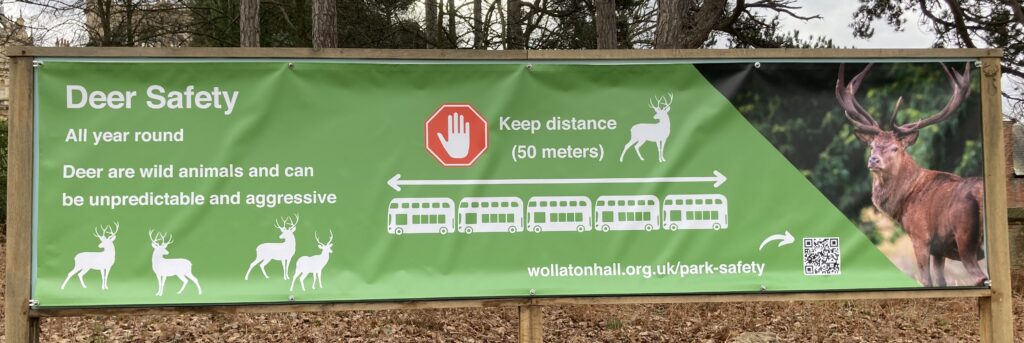
- Keep dogs on leads throughout the park, especially near the deer
- If a deer charges towards you, let your dog off the lead so it can run away
- Owners of dogs worrying the deer may receive a fine of up to £1,000
- Do not touch or approach young deer if found, mother will be nearby.
Information is correct as of February 2023.

Deer
Please report these immediately to the Wollaton Park ranger onsite, or contact Wollaton Hall.
FoWP volunteers do not have the authority or equipment to handle emergencies or wildlife incidents.
The deer are herbivores and graze naturally throughout the woodlands and grasslands in the park.
In winter, their food is supplemented with mangles.
- Female Red Deer are known as Hinds, the males as Stags and the young as calves.
- Female Fallow Deer are known as Does, the males as Bucks and the young as fawns.
Sorry to disappoint our younger visitors at Christmas time, but there are no Reindeer.
In March or April each year, the male deer shed their antlers.
Antlers are primarily used by males for competition during mating season. The size and shape of the antlers can indicate a male’s health and dominance, helping them attract mates and fight off rivals. Shedding the antlers after mating season conserves energy and avoids the disadvantages of carrying heavy antlers during the winter month.
The breeding season or rut is typically from late September until November.
The deer roam the park and could be anywhere!
- Keep dogs on leads throughout the park, especially near the deer
- If a deer charges towards you, let your dog off the lead so it can run away
- Owners of dogs worrying the deer may receive a fine of up to £1,000
- Do not touch or approach young deer if found, mother will be nearby.
The deers are a great sight and make excellent photos.
It is important that you take your photos from a distance of over 50m, to protect both the deer and yourself from accidental harm.
Deer have Antlers.
Antlers: Made of bone, shed and regrown annually, covered in velvet while growing.
Horns: Made of keratin (same material as hair and nails), permanent and continuously grow throughout an animal’s life.
Deer can see blue and red, but struggle to distinguish orange and green from red. Blue is the worst colour to wear when trying to spot deer, as they perceive it very easily.
More: https://www.color-meanings.com/what-colors-can-deer-see-vision/
Gardens
A formal garden is a type of garden design that is characterised by a clear structure, geometric shapes, straight lines, and symmetry.
It is typically structured around a central axis and features lawns, flower beds, and topiary.
The Formal Garden is at the back of the hall.
It can be entered from a gate to the side of the main hall entrance, or via a gate facing the lake.
The formal garden is usually open when the Hall is open.
The Botanic Garden is located in the Courtyard.
Botanic Garden opening times.
The Sensory Garden is located within the Formal Garden.
From the back of the Hall, follow the centre path, down the steps and turn left. Follow the path to the end and turn right. The Sensory Garden will be on your right.
The Walled Garden, is to the left of the main vehicle entrance on Wollaton Road, beside Mr Man’s.
The outer north wall runs along Wollaton road to the Funeral Parlour.
When Walled Garden tour dates are announced they will appear in the News section or the Calendar.
See the Walled Garden information page for details.
General
Is Wollaton Park open today?
Any lost property found is usually handed into the Shop or Cafe in the courtyard.
- Tel: 0115 876 3100
- Email: wollaton.hall@nottinghamcity.gov.uk
There are payment machines in the car park, but these do not take cash.
If you need to pay cash, you can do so in the cafe or shop in the courtyard
Blue badge parking can be found in the top car park, near the red telephone box and in front of the Hall.
Yes, there are two cafes, as well as mobile catering in the park.
The park is free to enter, but car parking charges apply.
Industrial Museum opening times.
Hall and Museum opening times.
See our maps page.
For detailed questions regarding park policy, historical records, or council decisions, please contact the Wollaton Hall & Deer Park Office directly. As volunteers, we are unable to provide detailed research or formal responses on behalf of Wollaton Hall & Deer Park.
It’s great to hear you have some suggestions, your input helps us prioritise what we tackle next. Here are the four best ways to share your suggestions:
• Paid FoWP members are invited to our four open meetings per year. These are attended by park management and are the best place for direct dialogue.
• Post your idea right here on this Facebook group! It’s a great way to gauge support and get feedback from the group before taking a proposal further.
• You can submit suggestions formally via our “Contact Us”
• For operational issues (like bins, wildlife concerns or park repairs), you can reach out to the park management team via the email on their website.
Because we are all volunteers giving our spare time, we often have to focus on small-scale wins and steady improvements rather than big projects. We might not be able to make every idea a reality, but we promise to listen and advocate where we can!
Park
Please report these immediately to the Wollaton Park ranger onsite, or contact Wollaton Hall.
FoWP volunteers do not have the authority or equipment to handle emergencies or wildlife incidents.
500 acres or 200 hectares.
An acre is an area in which you could park about 150 cars.
A hectare is about two-and-a-half times the size of an average football field.
The Wollaton Hall website reports “We do not allow drone flying at any time over Wollaton Hall and Deer Park except by contractors commissioned by Nottingham City Council for a specific purpose, who satisfy stringent CAA criteria, have the correct insurances and are operating under controlled conditions”.
No. Swimming is not permitted.
No. Fishing is not permitted (unless you are a heron).
Yes, picnicking is allowed at Wollaton Park. Visitors are welcome to bring their own food and drinks. It is important to note that all litter should be disposed of properly in the designated bins to help maintain the beauty and cleanliness of the park.
The Wollaton Hall website reports “BBQs & fires are not permitted in the park, as they pose a danger to the wild deer and other wildlife”.
BBQs can also cause fires. Fires can damage ancient trees.
Dogs should be kept on a lead at all times to ensure that they do not disturb other park visitors or wildlife.
The deer may attack dogs that get too close.
Visitors are responsible for cleaning up after their pets.
Toilets are located:
- In the Courtyard
- By the 508 Cafe at the vehicle entrance
- In Wollaton Hall
No.
There are reports of blue-green algae in the lake, with is harmful to dogs.
Metal detectors need permission from the Park.
Site Copyright
Copyright © Friends of Wollaton Park.
All photographs used on this website are reproduced with the original artist’s permission, or under an appropriate Public Domain / Creative Commons license. Copyright © for each picture remains with the original artist, who is duly acknowledged for their contribution.
Some older pictures have been sourced from online sites, respecting copyright notices where we have found them. If we have offended anyone’s copyright we will, on request, duly credit the picture or remove it from the site.
Some of the text on this site has been drafted using AI prior to human editing; we have checked the accuracy as best we can. If we have inadvertently used copyrighted text provided by AI please let us know so we can add an appropriate acknowledgement and/or correction.
This website has been created for FoWP by Colin Robbins, supported by a cast of many who are duly acknowledged on the appropriate pages for their contributions.